
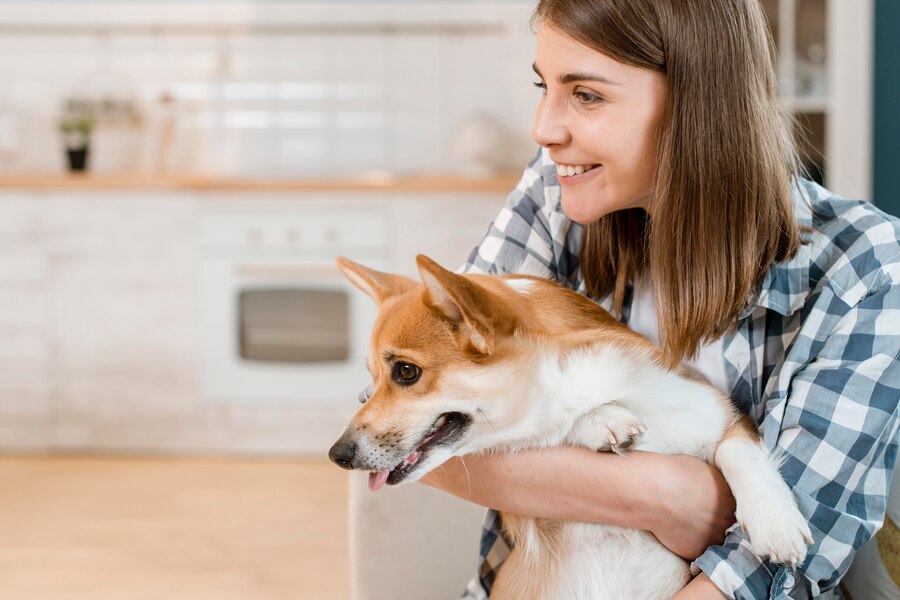
Short answer: Probiotics for dogs are live bacteria given as a supplement, usually as a gel or a powder, as part of a pet's daily routine. Owners often think about them around changes such as a new food, travel or a stay at a boarding kennel. Your veterinarian is the right person to help you decide whether one fits your dog or cat.
Gut basics for dogs and cats
Like people, dogs and cats have a digestive tract that is home to a large and varied community of bacteria and other microbes. That community is shaped by diet, age, environment and medication, and it changes over time. Researchers are studying probiotics in many animals, from household pets to livestock and even farmed fish, and that work is ongoing.
A pet probiotic is meant to add specific, identified bacteria to a pet's routine. It is not a substitute for a balanced diet, fresh water, exercise and regular veterinary care.
When owners consider a probiotic
Pet owners most often think about probiotics during times of change:
- Diet changes. New foods are usually introduced gradually, and some owners add a probiotic to the routine during the switch. Ask your vet how to change your pet's food.
- Travel. Road trips, flights and new surroundings all change a pet's normal day.
- Boarding or pet sitters. A stay away from home means a new place, new people and often a different schedule.
- Medication. If your pet is prescribed any medicine, including an antibiotic, ask your vet whether a probiotic is appropriate and how to time it.
If your dog or cat has any symptoms, such as a change in appetite, stools, energy or behavior, or anything else that worries you, see your veterinarian. A supplement is not the answer to a symptom; a proper exam is.
Gel or powder: choosing a format
Pet probiotics come in several formats. Natren offers two:
- Gel in an oral syringe. Caninedophilus for dogs and Felinedophilus for cats are gels containing L. acidophilus NAS and Enterococcus faecium NCIMB 10415. The syringe lets you measure a serving and give it directly. Some pets take it straight from the syringe; others are happy to lick it from your finger.
- Powder. Gastro Vegi-Dophilus is a dairy-free powder with L. acidophilus DDS-1 and L. bulgaricus LB-51. A powder can suit pets who are easier to serve with their food.
Whatever format you choose, follow the label for how much to give and how often, and ask your vet about the right amount for your pet's size and health.
Storing pet probiotics
Natren products, including its pet probiotics, are kept refrigerated and shipped cold in thermal packaging. At home:
- Put the product in the refrigerator when it arrives, not the freezer.
- Keep the cap on the syringe or the lid on the bottle, and return it to the fridge after each use.
- Check the expiration date. Potency is guaranteed through expiration when the product is stored as directed.
- Store it where pets and children can't get at it.
Travel and boarding
If your pet's routine includes a probiotic, plan for it when you are away:
- Pack it in a small insulated bag with a cold pack, with a cloth or padding in between so the product doesn't freeze.
- Ask the hotel, kennel or sitter whether a fridge is available.
- Leave written instructions for the kennel or sitter: what the product is, how much to give according to the label, and that it needs to stay refrigerated.
- Add your vet's phone number and the address of the nearest emergency animal hospital to those instructions, and keep a copy on your own fridge at home.
Natren's help and FAQ page covers shipping and storage questions.
More pet guides
- Probiotics for dogs: what to look for on the label
- Probiotics for cats: what to look for and how to give them
Your veterinarian comes first
Your vet knows your pet's history, diet and medicines. Ask before starting any supplement, and bring the product or a photo of the label so they can see the strains and directions. Regular checkups, dental care, sensible portions and snacks, and plenty of exercise and play all matter to a pet's overall well-being, with or without a probiotic.
Frequently asked questions
What formats do pet probiotics come in?
Commonly gels and powders. Natren's Caninedophilus for dogs and Felinedophilus for cats are gels in an oral syringe, and Gastro Vegi-Dophilus is a dairy-free powder that can be served with food. Follow the label and ask your vet about the right amount.
When do owners usually consider a probiotic for a pet?
Around times of change: a new food, travel, boarding or a pet sitter, or when a vet prescribes medication. Your veterinarian can tell you whether one fits your pet and how to time it. For any symptom, see your vet.
How should I store a pet probiotic?
In the refrigerator, not the freezer, with the cap or lid closed, and out of reach of pets and children. Potency is guaranteed through expiration when the product is stored as directed.
These statements have not been evaluated by the Food and Drug Administration. This product is not intended to diagnose, treat, cure or prevent any disease.


Join the conversation